Improve Robustness of Sensor Network Machine Learning Models Against Adversarial Attacks
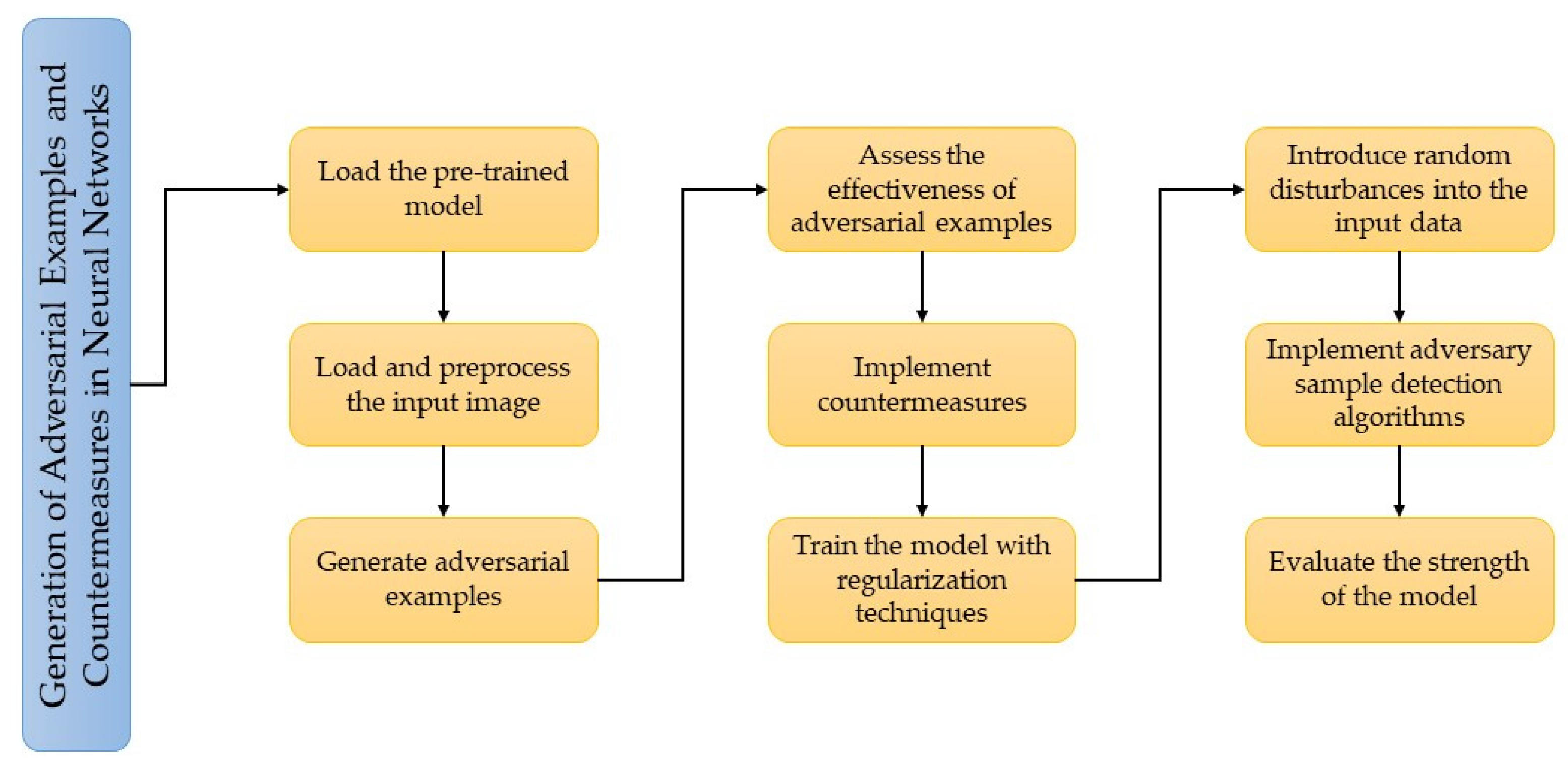
In the field of adversarial machine learning (ML), an adversary seeks to exploit ML models through malicious input either to cause privacy violations or misprediction through adversarial examples. Various works have focused on securing classification problems, such as with image misclassification or spam email filtering. Minimal research has focused on adversarial attacks against multivariate time series models, as is seen in sensor networks, due to the added complexity introduced by the temporal relationship and additional challenges added with evaluating the efficacy of regression attacks. This research will introduce a novel adversarial attack algorithm that will exploit the temporal patterns of data to maximize model output error while minimizing potential detectable adversarial examples. REU students may participate in: (1) identifying an effective loss function for spatiotemporal datasets to create the highest quality adversarial examples; (2) aid in improving the complexity of the algorithm such that it is more accessible to use in resource-constrained sensor network applications such as in mobile wireless sensor networks; and (3) simulate the adversarial attacks over a variety of machine learning models and datasets.
Machine Learning Models for Sensor Network Applications Using Quantum Principles
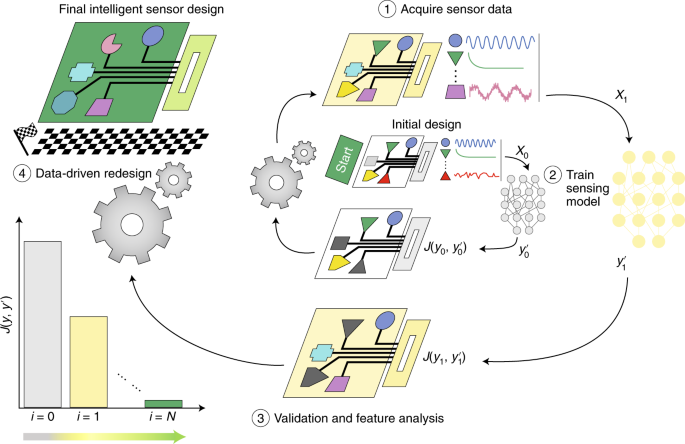
Deep learning has been shown to be incredibly vulnerable to hard-to-detect adversarial examples. However, it is increasingly being used to aid in the data cleaning and feature selection in applications with highly complex data, such as in sensor network applications. To explore the fundamental characteristics that contribute to the learning models' sensitivity to adversarial examples, this research will investigate how non-linearity in activation functions influences robustness against adversarial attacks for secure sensing applications. We plan to study this by introducing a new class of highly non-linear activation functions using quantum mechanics principles. REU students may participate in: (1) deriving the quantum mechanics principles into a set of functions that can be used as activation function for sensing applications; (2) simulating the adversarial attacks over a variety of machine learning models and datasets; (3) calibrating and verifying the impact on the robustness of the newly introduced parameters by quantum mechanics equations; and (4) evaluate the computational complexity of the new activation functions to ensure it is accessible to use in resource-constrained sensor network applications such as in mobile wireless sensor networks.
Blockchain-based Sensor Network Applications with Split-Merge Problems due to Node Mobility
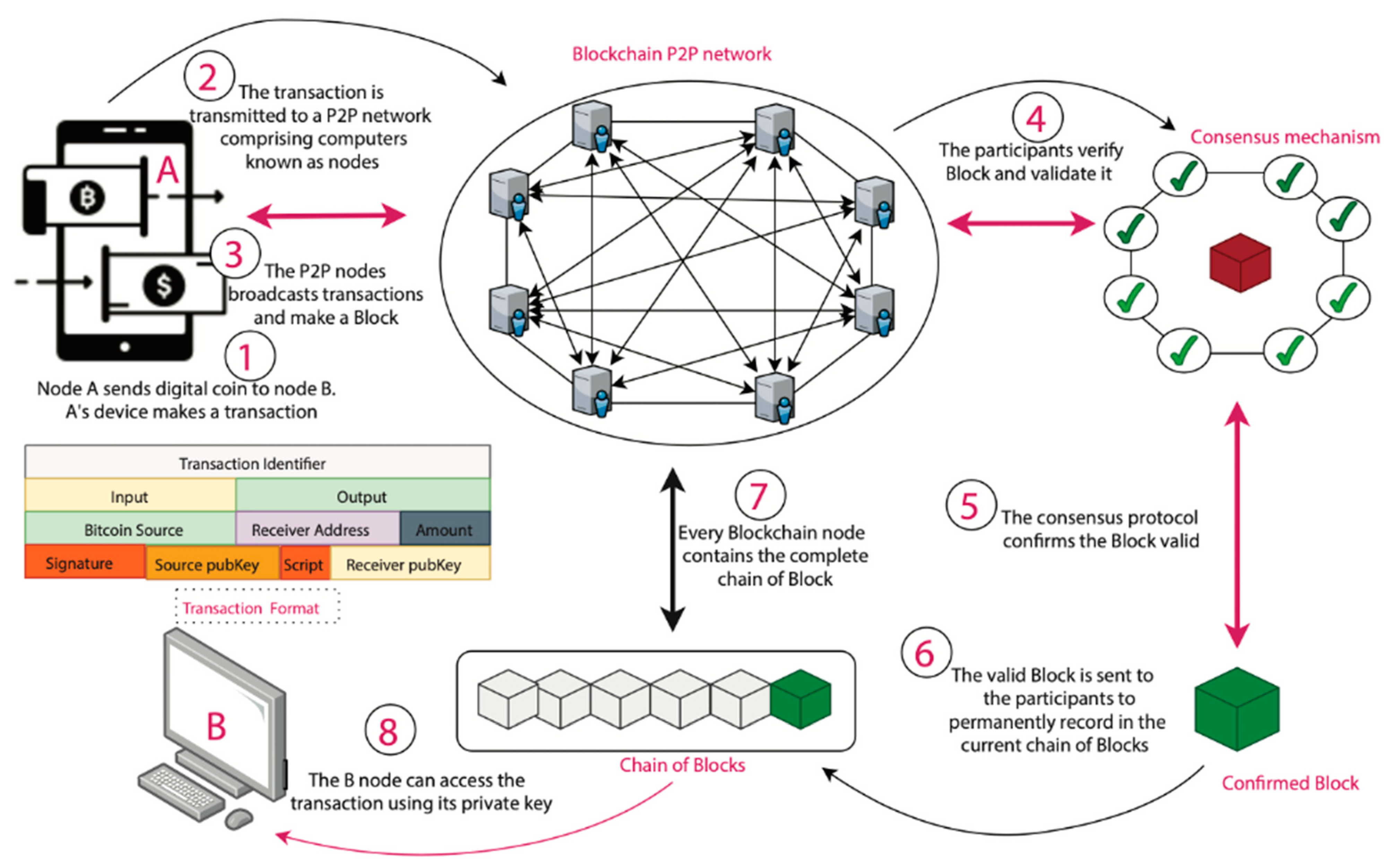
Blockchain technologies are maturing at a rapid pace and being used in a wide range of real-world applications. Traditional blockchain systems are designed in a linear-based structure which can lead to poor scalability, throughput, and conformation. Although several works were proposed to address these performance bottlenecks using linear and graph-based blockchains, they still do not provide robust solutions to address some key challenges in mobile networks, such as mobility, group splitting and merging, and maintaining trustworthiness when groups of nodes split and merge. REU students would build upon a successful and well-received framework developed by previous REU students. This cohort of REU students would be working on: (1) developing a new graph-based blockchain structure (named Merkle DAG), instead of traditional linear-based structures, that can facilitate the split and merge of multiple blockchains, (2) allowing multiple networks or blockchains to work independently while maintaining trust in a trust-less environment, and (3) designing a blockchain system that can improve the overall performance over traditional blockchain systems in terms of confirmation time, throughput, scalability, and addressing the critical challenges associated with mobile IoT systems, as mentioned earlier.
Data Cleaning Li-Fi Wireless Sensor Networks
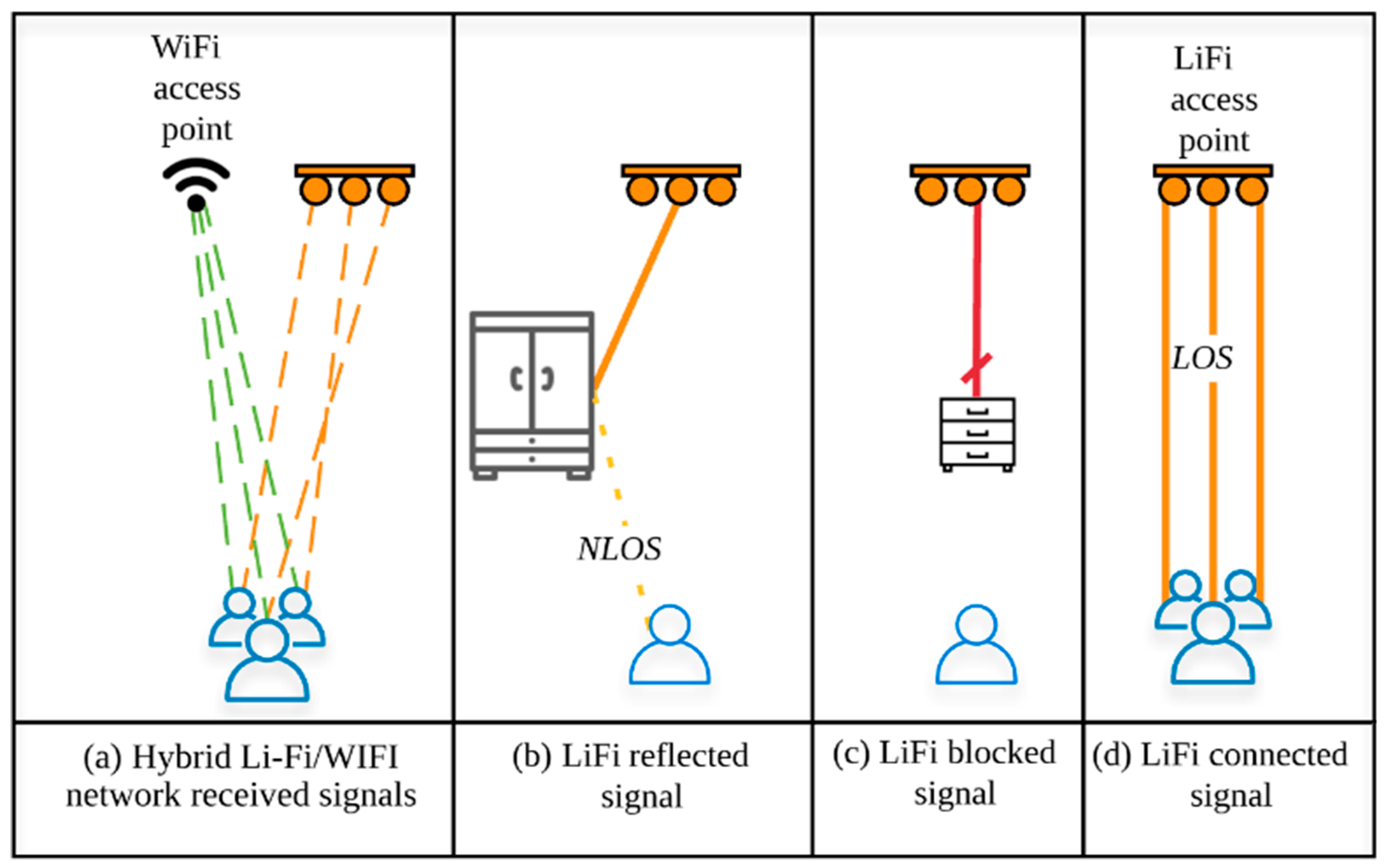
WSNs, the central nervous system of IoTs, are placing an unprecedented demand on the wireless spectrum, making it scarcer and less secure. Emerging Light-Fidelity (Li-Fi) technology promises to alleviate these concerns while increasing both speed and security. The faster transmission speeds increase the amount and types of data that need to be filtered, merged, compared, contrasted, interpolated, and extrapolated, thus emerging as a new challenge in data analytics. Over the past few years, there has been a surge of interest from REU students in working on data cleaning problems for WSNs by applying new abstractions and statistical techniques. Moving forward, REU students may explore qualitative data cleaning approaches for Li-Fi by (1) developing Li-Fi-based WSN testbeds to explore how data cleaning approaches work and can be improved; (2) identifying data quality problems for semi-structured and unstructured data; and (3) developing qualitative data cleaning approaches for distributed streams of data.
Security and Privacy of Flying Ad Hoc Networks
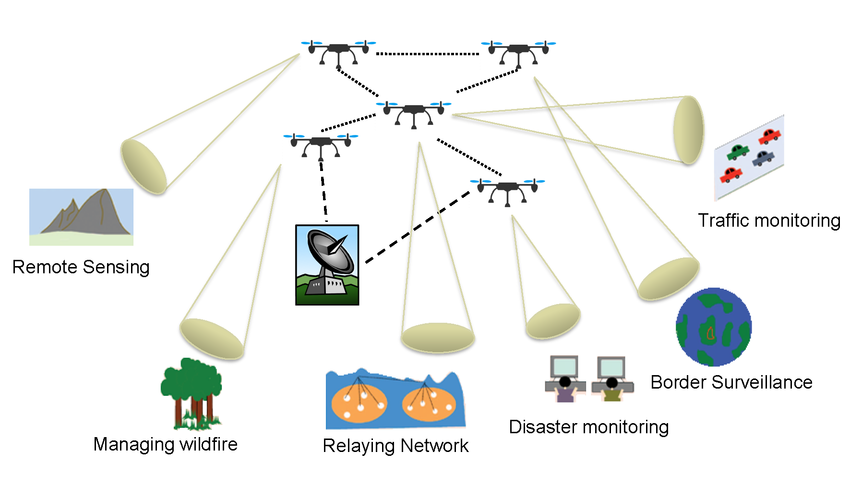
In an era where companies are planning to deliver customer orders using drones, it is important to ascertain the need for security and privacy of the drones. Although a network of drones can be modeled as a Flying Ad Hoc Network (FANET), existing ad hoc network protocols do not perform adequately in FANETs due to the high degree of node mobility. With limited airspace this can thus result in mid-air collisions as well as breaches in security and privacy. This project examines new security and privacy protocols for drones in FANETs and using location-based services. REU students may participate in (1) developing security protocols for high mobility degree nodes; (2) designing a fast and secure group key protocol, forming groups inside FANETs; (3) developing new techniques for using location-based services for air traffic; and (4) designing a privacy-preserving location assurance protocol for location-aware services in FANETs.